DS Automobiles was founded in 2009 as a sub-marque of Citroën. They were made as an attempt to
take Citroën cars to a higher more luxurious level, shown through the name as a play on words
from the French word “Déesse” = “Goddess”.
The group became a standalone brand in 2015, by using separate manufacturing and engineering
standards to Citroën. The CEO Carlos Tavares made it clear that they would still continue to use
the same platforms and dealerships as other PSA models meaning that there would still be some
connection between the two.
Between 2012-2018 DS made a whopping 664,607 sales worldwide, a good lead for a start-up branch
of an already well-established company.
The original DS was the Citroën DS3 which won multiple awards, such as Top Gear ‘Car Of The
Year’, ‘First Supermini’ four times in a row and the second ‘Most Efficient Supermini’. In 2013,
this model was the best-selling premium subcompact car with a whopping 40% market share in
Europe. However, as mentioned before, the DS brand has come a long way, building an increasing
number of different models, with various objectives in mind. For example, the DS3 has now
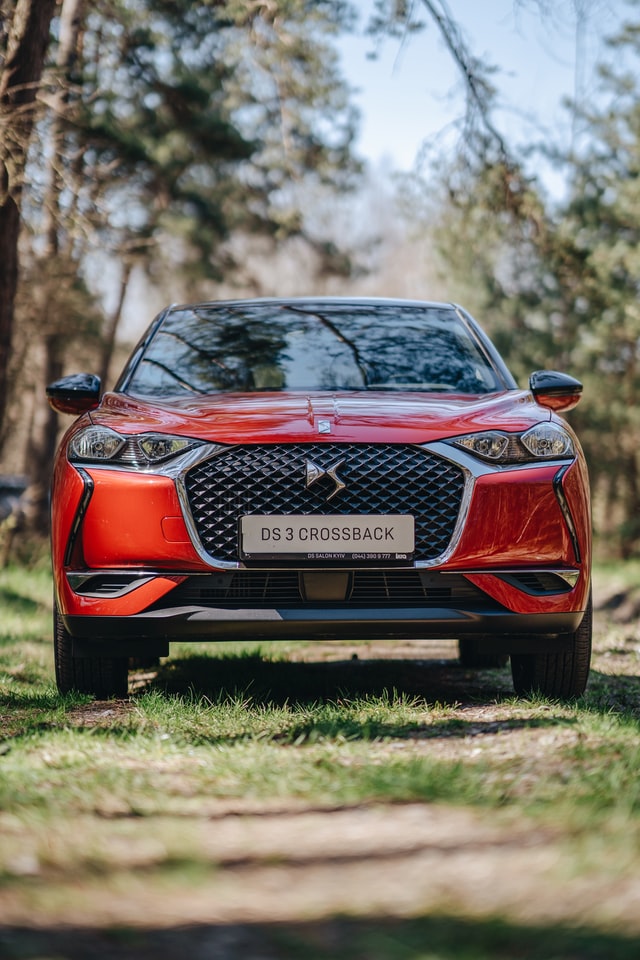
evolved into the family-friendly hatch-SUV crossover, and is now called the DS3 Crossback, with
the marque also adding the DS4, larger SUV-style DS7 Crossback and DS 9 executive saloon to
their offering. DS also offers three of these models as plug-in hybrid variants, in order to
appeal to those who are concerned about their carbon footprint.
To match their ‘luxury’ target market, DS cars don’t come cheap compared to many vehicles in the
same class as each model. For example, the DS3 Crossback starts at around £23,000, but can be
specced out to more than £32,000. By comparison, a similarly sized Volkswagen T-Cross starts
from just £18,500, with options on the top-spec R-Line version taking it to just under £27,000.

 Mon-Fri:
09:00am - 5:00pm